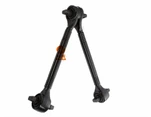
How Can a Failing Torque Rod be Repaired?
Torque rods are an important component of any vehicle's suspension system. They are designed to prevent excessive movement of the axle and keep the wheels in proper alignment. However, like any other mechanical component, torque rods can fail over time due to wear and tear, corrosion, or other reasons. In such cases, it becomes necessary to repair or replace the torque rod to ensure the smooth and safe operation of the vehicle.
This article provides an overview of how a failing torque rod can be repaired, including the signs of a failing torque rod, the repair options available, and the benefits of proper repair.
Signs of a Failing Torque Rod
Torque rods are known for their durability, but over time, they can develop issues that require immediate attention. Some of the common signs of a failing torque rod include:
1. Uneven tire wear: If the torque rod is not functioning properly, it can cause uneven tire wear. This can be seen on one or more tires, especially the front set.
2. Steering wheel vibration: A failing torque rod can cause the steering wheel to vibrate while driving, especially at high speeds or when making turns.
3. Steering stability problems: If the torque rod is not working correctly, it can also affect steering stability and cause the vehicle to drift or pull to one side.
4. Strange noises: A defective torque rod can produce rattling or clunking noises while driving, especially when going over bumps or rough roads.
Repair Options
If you notice any of the above signs, you should have your vehicle inspected by a professional mechanic to determine the extent of the damage. Here are some repair options that may be available:
1. Torque rod replacement: If the torque rod is damaged beyond repair, replacing it is the best option. The new torque rod can be a genuine part from the manufacturer or an aftermarket one.
2. Torque rod repair: If the damage to the torque rod is minor, it may be possible to repair the part rather than replace it. This involves cleaning the rod, welding any cracks, and ensuring that the rod is balanced and straight.
3. Reinforcement: In some cases, the torque rod can be reinforced to improve its strength and durability. This can be done by welding additional metal plates or supports onto the rod.
Benefits of Proper Repair
Repairing or replacing a failing torque rod has several benefits, including:
1. Improved vehicle safety: A properly functioning torque rod is essential for safe driving. Repairing or replacing a failing torque rod ensures that your vehicle is safe and stable while on the road.
2. Reduced wear and tear on other components: When a torque rod fails, it can cause excessive movement of the axle, which can damage other suspension components. Repairing the torque rod can prevent additional wear and tear on other parts of the suspension system.
3. Improved handling and driving experience: A well-functioning torque rod can improve handling and ensure a smoother, more comfortable ride.
A failing torque rod can be a serious problem that needs immediate attention. If you notice any signs of a failing torque rod, it's important to have your vehicle inspected by a professional mechanic. Depending on the extent of the damage, the torque rod may need to be repaired or replaced. Proper repair or replacement of a failing torque rod can improve safety, reduce wear and tear on other components, and improve handling and ride comfort.